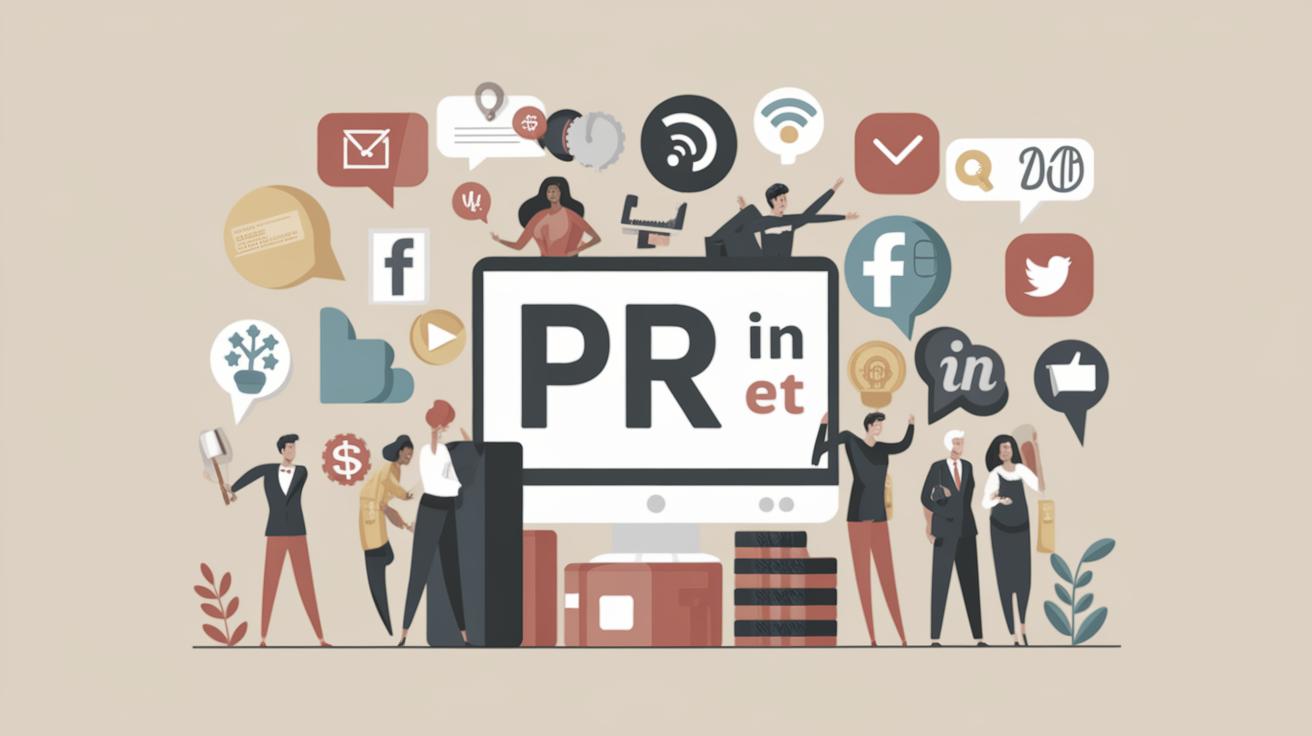
Understanding PR in the Context of Social Media
In today’s fast-paced digital world, Public Relations (PR) has undergone a significant transformation, adapting to the nuances of social media platforms. This blog post explores how PR strategies have evolved in this digital era and how they differ from traditional methodologies. We’ll delve into the differences and similarities between social media marketing and public relations, shedding light on how businesses and brands can leverage this amalgamation to enhance their public perceptions and engagement. Additionally, we’ll discuss the ethos of PR in the social media domain, providing a glimpse into the categories that shape effective communication strategies. Whether you’re a PR professional, marketer, or simply curious about the intricacies of digital communication, this piece will guide you through the next steps in understanding and utilizing social media-driven PR strategies effectively.
Not Your Parent’s PR Plan
Traditional public relations once revolved around press releases, media clippings, and scheduled briefings. However, with the advent of social media, the landscape has drastically shifted. Today, PR professionals employ real-time communication, instant feedback loops, and dynamic content creation to engage audiences on digital platforms. This evolution demands agility, creativity, and an innate understanding of digital culture, setting it apart from the often formal and structured methods of the past.
This new paradigm of PR emphasizes personalization and direct interaction with target audiences. Unlike conventional media outlets, social media platforms provide a fertile ground for brands to craft their image, narrative, and messaging in an authentic and relatable manner. The lines have blurred between marketing, advertising, and PR, requiring professionals to wear multiple hats and master the art of storytelling. In this environment, a single tweet can shape public perception just as effectively as a well-orchestrated press conference.
The Differences Between Social Media Marketing and Public Relations
At first glance, social media marketing and public relations may seem interchangeable, especially given their shared objective of enhancing brand visibility. However, the two disciplines have distinct focuses and approaches. Social media marketing primarily centers around advertising products or services, driving sales, and targeting specific market segments through various campaigns. It involves direct promotion and measurable outcomes, using engagement metrics to refine strategies continuously.
In contrast, public relations in the context of social media is about building and maintaining a positive image for the brand. It involves managing relationships with the public, stakeholders, and the media, focusing on cultivating trust and credibility. PR efforts often include crisis management, reputation enhancement, and strategic communication designed to influence public perception favorably. Although both disciplines harness the power of social media, their end goals diverge significantly, with marketing aiming for conversions and sales, while PR focuses on reputation and image.
Where There’s Overlap between Social Media and PR Marketing
Despite their differences, social media marketing and PR intersect in various areas, creating opportunities for synergy. Both fields rely heavily on content creation to capture audience attention, engage users, and foster community. For instance, a well-crafted social media campaign can simultaneously drive sales and bolster a brand’s reputation if executed strategically.
Furthermore, both social media marketing and PR prioritize understanding audience insights and behavior to optimize their strategies. By analyzing data collected from social media interactions, brands can tailor their messages, whether for direct marketing purposes or for building long-term relationships and trust. Collaborative efforts between marketing and PR teams can result in comprehensive strategies that holistically address both immediate business objectives and overarching public perception goals.
About Ethos
Core to PR in social media is the ethos, or the character and credibility of the brand, as perceived through its communication. In the digital age, ethos is more critical than ever, as consumers are quick to judge and react to brand statements and actions. Building a strong ethos requires authenticity, consistency, and transparency across all communications to foster trust and rapport with audiences.
Brands maintain their ethos by ensuring that their values align with their messaging and engagement tactics. This includes addressing audience concerns, participating in relevant social conversations, and being accountable for their words and actions. A coherent and genuine ethos not only safeguards a brand’s reputation but also serves as a cornerstone for successful PR strategies in the vibrant social media environment.
Categories
Social media PR encompasses various categories, each contributing to a brand’s overarching strategy. These categories include media relations, influencer collaborations, crisis management, and community engagement. Media relations involve interacting with journalists and content creators to amplify the brand’s message beyond its immediate reach. This can include pitching stories, sharing press releases, or arranging interviews that highlight the brand’s expertise or achievements.
Influencer collaborations are another crucial aspect, as partnering with social media personas can expand a brand’s visibility and credibility. Selecting influencers who genuinely resonate with the brand’s ethos ensures authenticity in these partnerships. Additionally, effective crisis management within the realm of social media PR is essential. Brands must be prepared to respond swiftly to any negative feedback or controversies, turning potential PR disasters into opportunities for positive engagement and learning.
Next Steps
| Section | Summary |
|---|---|
| Not Your Parent’s PR Plan | PR has evolved into real-time, creative digital engagement, demanding new skills and strategies. |
| The Differences Between Social Media Marketing and Public Relations | Social media marketing focuses on sales and direct promotion, whereas PR emphasizes reputation and image building. |
| Where There’s Overlap between Social Media and PR Marketing | Both fields create content, analyze audience insights, and can achieve synergy by collaborating on strategies. |
| About Ethos | Building brand ethos involves authentic, consistent communication to foster trust and credibility. |
| Categories | Key areas of social media PR include media relations, influencer collaborations, crisis management, and community engagement. |